November 12, 2026
Electrical problems are not always obvious. While some issues announce themselves through flickering lights, tripped breakers, or outlets that stop working, others develop gradually behind walls or inside electrical components. Recognizing these warning signs is important because electrical systems play a direct role in household safety, comfort, and everyday convenience.
Putting off an electrical concern can create unnecessary risks and lead to more extensive damage. Even if a problem seems minor, having it evaluated by a qualified electrician can help determine what is happening and whether professional attention is necessary. Knowing when to schedule electric repairs allows homeowners to address developing problems before they interfere with daily routines or compromise the safety of their property.
Notice Frequent Circuit Breaker Trips
Circuit breakers are designed to interrupt electrical power when a circuit becomes overloaded or experiences a potentially dangerous condition. An occasional trip may happen when too many appliances operate on the same circuit. However, repeatedly resetting a breaker without investigating the cause can leave an underlying electrical problem unresolved.
If a breaker continues tripping during normal household activities, it may indicate an overloaded circuit, damaged wiring, or a problem with an electrical appliance. Homeowners should pay attention to when the interruptions occur and which devices are operating at the time.
Professional electric repairs can address the underlying issue instead of simply restoring power temporarily. An electrician can evaluate the affected circuit, inspect connected components, and determine whether additional capacity or replacement parts are necessary. Avoid forcing a breaker to stay on or repeatedly resetting one that continues to trip. Persistent electrical interruptions deserve professional attention.
Investigate Flickering or Dimming Lights
Lights that flicker occasionally may seem like a minor inconvenience, particularly when the problem appears to disappear on its own. However, recurring flickering or unexplained dimming can indicate an issue with the electrical connection, wiring, circuit, or fixture. These symptoms should not automatically be dismissed as problems with the light bulbs.
Homeowners should consider whether the flickering affects a particular fixture or occurs throughout the property. If lights dim when an appliance starts operating, the electrical system may be experiencing an issue that requires further evaluation. Loose connections and overloaded circuits are among the possible causes. An electrician can investigate the symptoms and determine whether the problem involves the fixture or a larger portion of the electrical system.
Addressing these concerns promptly can help prevent continued interruptions and identify potentially unsafe conditions. Professional electric repairs may involve securing connections, replacing damaged components, or correcting circuit problems. Rather than repeatedly changing bulbs or ignoring inconsistent lighting, homeowners should have recurring symptoms inspected. Reliable lighting depends on electrical components functioning properly and safely.
Recognize Warning Signs Around Outlets and Switches
Electrical outlets and switches receive frequent use, making changes in their appearance or performance important to notice. Discoloration, unusual warmth, buzzing sounds, sparks, or a burning odor can indicate an electrical problem. These warning signs should never be treated as ordinary wear. They may point to loose wiring, damaged connections, or excessive heat developing within the electrical system.
Homeowners should also pay attention to outlets that work inconsistently or switches that feel unusually warm. A loose outlet or deteriorating connection can interfere with dependable electrical operation. Attempting to investigate internal wiring without the proper training can expose someone to electrical shock or other hazards. If an outlet produces smoke, sparks, or a burning smell, stop using it and seek qualified assistance. If there is an immediate fire or shock hazard, contact emergency services.
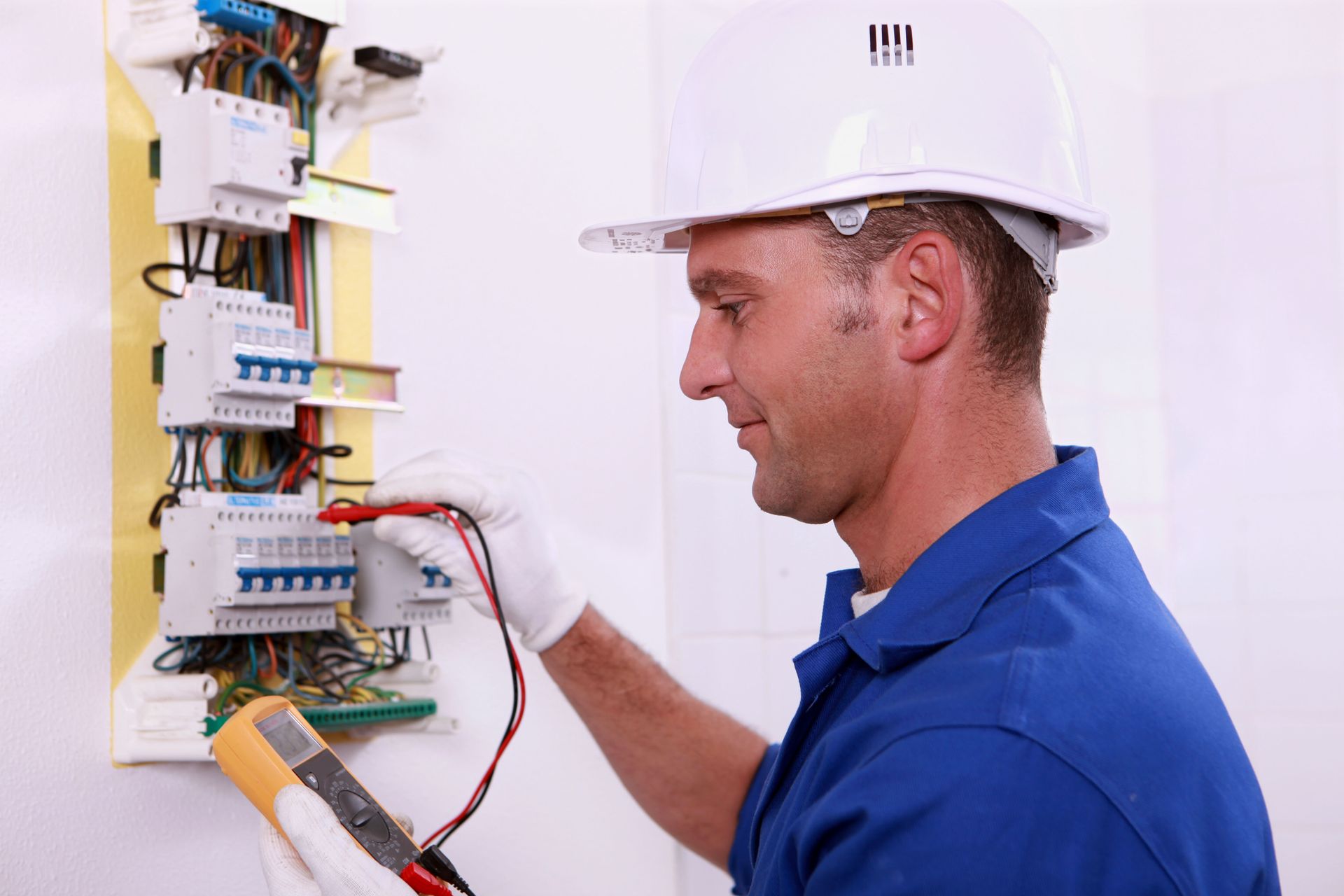
A professional electrician can inspect the affected components and determine whether replacement or additional wiring work is necessary. Scheduling electrical repairs helps address problems that might otherwise remain hidden behind outlet covers or switch plates. Avoid using damaged outlets until they have been evaluated.
Evaluate the Condition of Your Electrical Panel
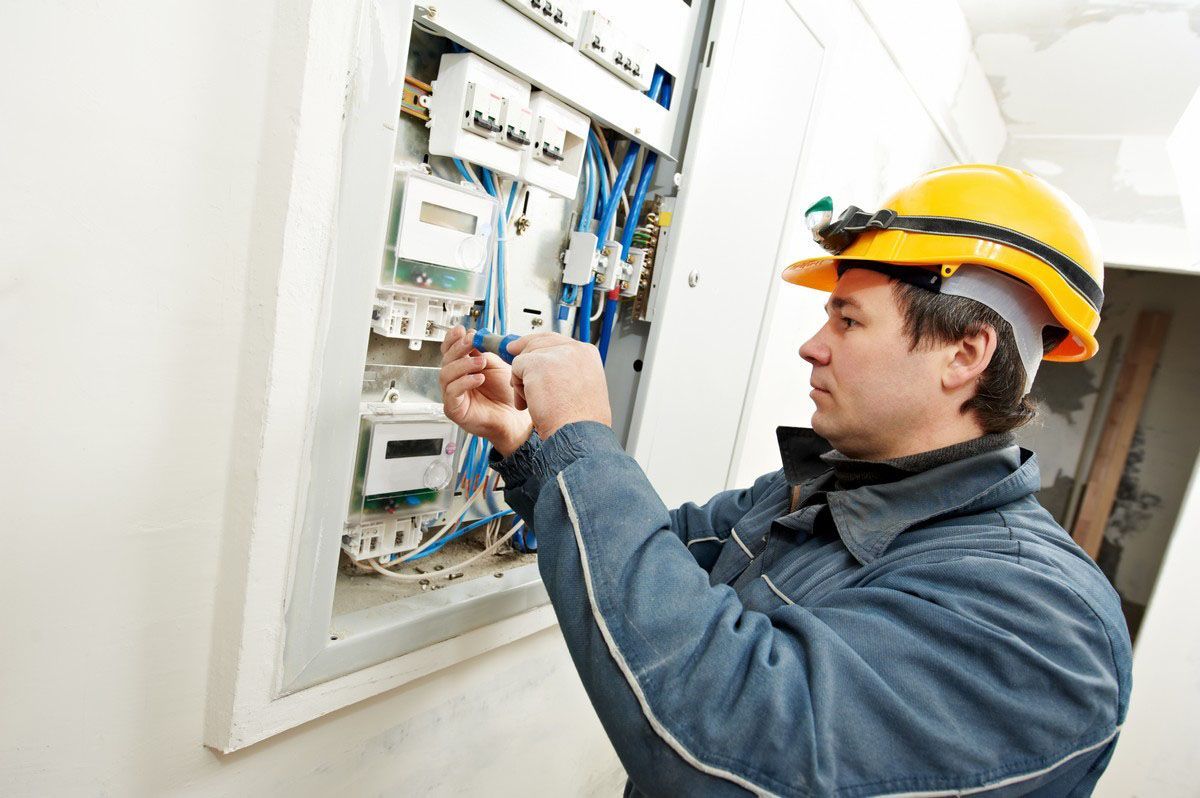
The electrical panel serves as a central distribution point for electricity throughout a property. It directs power to individual circuits and contains protective devices designed to interrupt electricity when certain problems occur. Because so many household systems depend on the panel, changes in its performance should receive careful attention.
Frequent breaker trips, unusual noises, visible corrosion, burning odors, or signs of heat around the panel can indicate a problem. Homeowners may also discover that their existing electrical capacity no longer supports their household's needs. Adding appliances, installing modern equipment, or completing renovations can increase demand on an older electrical system. An electrician can determine whether the panel is operating properly and whether an upgrade is appropriate.
The age of the equipment is another consideration when evaluating electrical safety. According to Home Advisor, electrical panels that have been in service for over 25 years should be considered for replacement. However, the actual recommendation depends on the panel's condition, specifications, and applicable safety requirements. Professional electric repairs can address certain panel concerns, while more extensive deterioration or insufficient capacity may make replacement the better option.
Address Outdated or Damaged Wiring
Electrical wiring is typically concealed, which means homeowners may not recognize deterioration until symptoms appear. Aging insulation, damaged connections, improper modifications, and outdated wiring can create problems that affect the entire electrical system. Flickering lights, unusual odors, warm wall plates, and repeatedly tripping breakers may provide clues that something is wrong behind the walls.
Older properties deserve particular attention because their electrical systems may not have been designed for modern household demands. Today's homes often rely on numerous appliances, entertainment devices, computers, and other equipment. An electrical system that once supported everyday needs may require evaluation as household usage changes.
When damaged or outdated wiring is discovered, the appropriate solution depends on the property's layout and the condition of the electrical system. Electric repairs may involve replacing compromised wiring, correcting improper connections, or improving specific circuits. Homeowners should avoid covering up warning signs with temporary solutions. Having wiring evaluated by a professional helps ensure that necessary work addresses the underlying concern rather than simply hiding its symptoms.
Plan Electrical Work Before Renovations or New Installations
Home improvement projects often change how electricity is used throughout a property. Kitchen renovations, finished basements, room additions, and new equipment installations can introduce electrical demands that an existing system may not be prepared to handle. Planning electrical work before construction begins helps homeowners understand what modifications may be necessary and avoid complications during the project.
An electrician can evaluate the existing panel, wiring, outlets, circuits, and available capacity before new equipment or fixtures are installed. This assessment helps identify potential limitations and determine whether additional circuits or other improvements are needed. Planning ahead can also make it easier to coordinate electrical work with contractors and avoid unnecessary interruptions once construction is underway.
Homeowners should not assume that an existing outlet or circuit can support every new appliance or installation. Electrical requirements vary depending on the equipment and the property's existing infrastructure. Professional electric repairs and upgrades can help prepare the system for changing household needs while supporting safe operation.
Electrical problems should never be ignored simply because a property still has working lights and functioning appliances. Repeated breaker trips, unusual odors, damaged outlets, flickering lights, and outdated wiring can all indicate concerns that deserve professional evaluation. Acting promptly can help protect your property, improve electrical reliability, and prevent manageable problems from becoming more disruptive. Don't wait for a warning sign to become a serious hazard. Contact Everything Electrical to schedule an inspection and get the professional electrical attention your home needs.